Aia I Hea Ka Wai A Kāne?
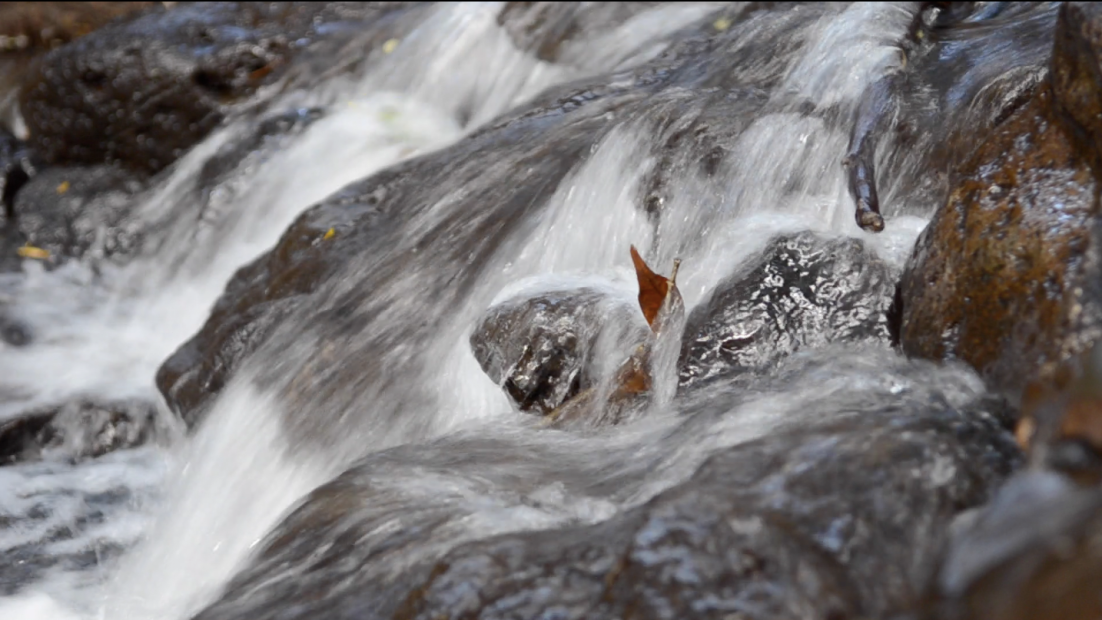
He Mele no Kāne — a traditional song from Kauaʻi that poses the question: where is the water of Kāne?
About the Song
This mele (song) from Kauaʻi is a poetic inquiry into the whereabouts of the water of Kāne, a significant figure in Hawaiian cosmology. The lyrics point to the east, toward the rising sun at Haʻehaʻe, and also reference the distant islands of Nihoa and Lehua — places deeply tied to Hawaiian navigation and origin traditions.
An audio version of the song is available on the site, allowing listeners to hear the melody and rhythm as it was shared.
E ui aku ana au iā ʻoe,
Aia i hea ka Wai a Kāne?
Aia i ka hikina a ka Lā,
Puka i Haʻehaʻe,
Aia i laila ka Wai a Kāne.
Aia i Nihoa, i Lehua,
Aia i laila ka Wai a Kāne.
Connection to Place
Water is a central theme throughout Hawaiian culture — it sustains life, shapes the land, and carries deep spiritual meaning. This song complements the Mai Uka a i Kai Tour, which explores the relationship between land, water, and community in Mānoa Valley. Together, they offer a richer understanding of how Hawaiians have long viewed the natural world as an interconnected whole.
Learn More
Discover how water, land, and people are woven together in the story of Mānoa.
Mai Uka a i Kai TourIn Mānoa, the question of where the water lies is answered by the landscape itself. Rain falls heavily on the steep ridges of the Koʻolau mountain range, gathering in streams that carve their way down through the valley. This freshwater, known as wai, is the lifeblood of the ʻāina and has sustained generations of people who have cared for this place. The streams once flowed freely into carefully constructed loʻi kalo, where taro was grown in terraced ponds fed by ʻauwai, or irrigation channels. Understanding where the water travels is essential to understanding how the people of Mānoa have lived in harmony with their environment for centuries.
The journey of water from uka to kai tells the story of Mānoa as a complete ahupuaʻa, a traditional land division that stretches from the mountain summit to the ocean. Along this path, water changes form and purpose, nourishing different ecosystems and communities at every elevation. In the upper valley, cool, swift streams support native forest life, while in the mid-valley, the water slows and spreads across the floodplain. By the time it reaches the shore near Waikīkī, the same water has passed through taro fields, home gardens, and gathering places, carrying with it the memory of the entire valley.
The people of Mānoa have long held deep knowledge of where to find and how to steward water. This understanding is not merely practical but cultural, woven into chants, stories, and daily practices that honor wai as a sacred gift. Springs like Kānewai have provided reliable sources of fresh water for generations, supporting both the loʻi and the community that gathers around them. Today, efforts to restore and protect these water sources continue, drawing upon traditional wisdom alongside modern science to ensure that the streams of Mānoa remain clean and abundant for the future.
When we ask where the water is in Mānoa, we are really asking how we are connected to this place. The streams, springs, and aquifers are not separate from the people who live here; they are part of a single, living system that includes the land, the plants, the animals, and the community. To care for the water is to care for the health of the entire valley. Educational programs and community gatherings at places like the loʻi and the arboretum invite people of all ages to learn about this relationship, fostering a sense of responsibility and aloha for the water that gives life to Mānoa.